
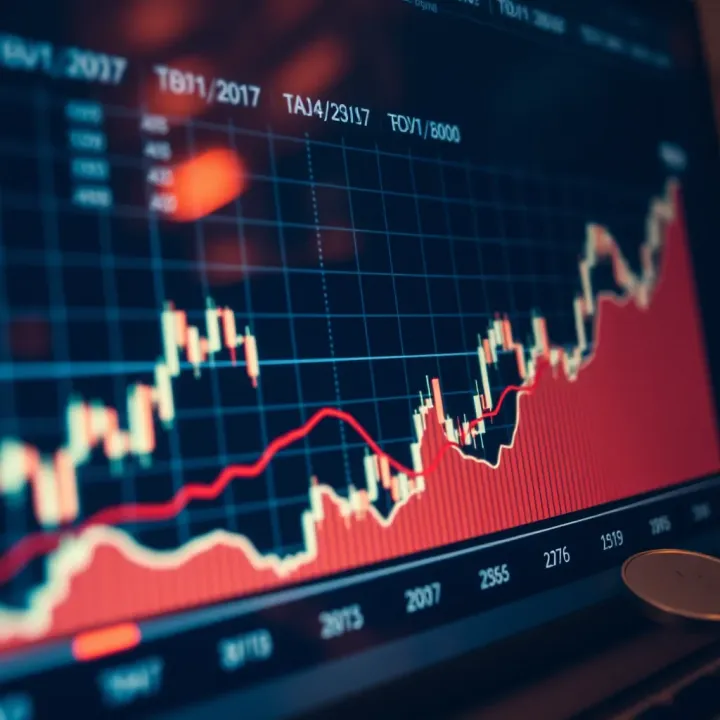
Graphic Trends Analysis in Binary Options Trading
📊 Explore key chart types and trend patterns in binary options trading. Learn practical analysis methods tailored for South African markets to improve your trades.
Edited By
Daniel Foster
Binary options trading has gained traction among South African traders looking for quick returns. Automated tools known as binary options robots promise to simplify this process by making trades on your behalf based on pre-set algorithms. However, picking the right robot requires more than just convenience; it demands understanding what these systems do and how to spot reliable options.
These trading robots analyse market data and execute buy or sell decisions without constant human intervention. They typically connect to your trading account via specific broker platforms, attempting to capitalise on short-term price movements. This can save time and eliminate emotional bias from trading decisions.

But here’s the catch: not all robots are created equal. Some rely on outdated strategies or lack transparency, leading to poor results or even losses. Therefore, South African traders need to focus on features like:
Proven performance records, ideally verified by independent sources or real user reviews.
Clear trading strategies that you can understand and evaluate.
Compatibility with well-regulated brokers active in South Africa.
Customisation options to adjust risk levels and trading parameters.
A clear distinction must be made between legitimate tools and those that make unrealistic promises or operate without regulatory oversight. It pays to research user feedback on forums and trading communities specifically active in South Africa.
When considering a binary options robot, verifying its track record and understanding the risks involved is essential — automated doesn't mean risk-free.
Ultimately, your goal is to use these robots as supplements to your trading plan, not as a magic wand. Knowing how they operate and what to look out for arms you with the practical knowledge to make informed choices. The sections ahead will break down these points to help you navigate the world of automated binary options trading more confidently.
Understanding how binary options robots work is key for anyone keen on using them effectively in their trading strategy. These automated systems bring speed and precision, which manual trading often lacks, especially in the fast-moving world of binary options. For South African traders, recognising the role these robots can play helps balance automation with active market awareness.
Automated trading systems explained: Binary options robots are software tools designed to automatically execute trades on behalf of the user. They use pre-set algorithms to analyse market data, detect signals, and place trades without human intervention. This can save traders from missing opportunities or making emotional decisions. For example, a robot might be programmed to buy or sell based on certain price movements or technical indicators like moving averages.
How these robots interact with binary options platforms: These robots link directly to binary options platforms via APIs or built-in integration features. Once connected, they carry out trades automatically, using the user's account balance. This interaction means the robot can swiftly execute trades faster than a human clicking manually. However, the robot’s effectiveness depends on the platform’s reliability and speed, which is why some South African traders prefer brokers with responsive platforms and minimal downtime.
Saving time and effort in trading: South African traders often juggle multiple commitments, whether work or family. Binary options robots relieve some of the time pressure by automating trade monitoring and execution, allowing traders to focus on strategy rather than screen time. For instance, a day trader who works elsewhere during the day might set their robot to trade on shorter time frames when they’re away.
Potential for consistent trade execution: Emotional trading leads many to inconsistent results. Robots don’t get nervous or greedy; they follow their programmed strategy without wavering. This consistency can improve risk management and discipline. That said, it is crucial to regularly review the robot’s performance and make adjustments as market conditions shift. One fake start or misunderstanding of market trends can quickly erode profits, so staying involved—even if less hands-on—is essential.
While binary options robots offer speed and automation, they work best as tools to complement—not replace—your own market understanding and strategic thinking.
Choosing the right binary options robot hinges on several key features that directly affect your trading outcomes and ease of use. Understanding these features helps you separate tools that merely look flashy from those that actually deliver value. South African traders, navigating volatile markets and local brokerage setups, benefit most from robots that combine proven performance with flexibility and user-friendly design.
Assessing win rates and trade success is a straightforward starting point. A high win rate indicates the robot has a decent track record in predicting market moves, but be cautious – even robots with 80% claimed win rates can be masking selective reporting. Looking at overall profit consistency over multiple trades is more reliable than solely focusing on the percentage of successful trades. For example, a robot might have many small wins but lose big occasionally, wiping out gains.
Evaluating backtesting and live trading reports adds depth to this assessment. Backtesting uses historical data to see how the robot would have performed in past market conditions. However, it’s not proof of future success. Live trading reports from real accounts, preferably with verifiable third-party audit or transparent screenshot records, offer stronger evidence. Make sure the robot provides both kinds of reports, helping you understand potential and pitfalls before committing real money.

Setting risk parameters matters because trading preferences vary widely. Some traders want aggressive strategies targeting high gains, while others prefer slow but steady returns. A good binary options robot lets you define your risk tolerance — for example, limits on how much to invest per trade or stop-loss triggers. This control prevents the robot from blowing your capital on risky bets without your consent.
Adjusting trading strategies is equally important if you want to stay relevant in shifting markets. Some robots offer preset strategies based on technical indicators like RSI or moving averages, but the best allow you to tweak these or even combine multiple strategies. For instance, you might set a strategy that trades conservatively during local market hours but becomes more active when international markets open. Such adaptability can keep you ahead of market swings.
Supported platforms and devices can make or break your experience. South African traders use a range of devices—from desktops in offices to mobile phones on the go—so the robot should run smoothly on desktop browsers, Windows or macOS apps, and mobile devices. Additionally, check compatibility with your broker’s platform. For example, many local brokers use MetaTrader 4 or proprietary platforms that not all robots support.
Interface accessibility for local traders is about more than language; it’s about intuitive design and localisation. A cluttered or overly technical interface can discourage traders who are not full-time professionals. Look for robots with clear dashboards, simple settings, and explanations tailored to common trading terms South Africans are familiar with. Also, local customer support or guides accommodating South African time zones and market nuances can make a big difference.
In essence, your binary options robot should be accurate, flexible, compatible, and easy to use. Paying attention to these features means you’re better equipped to find a tool that fits your style and market conditions rather than shoehorning your approach into a rigid system.
Navigating the world of binary options robots means being alert to scams. Many traders, especially those newer to automated systems, might fall victim to misleading offers claiming easy money. Knowing how to spot reliable robots can save you not only your cash but also your peace of mind.
Promises of guaranteed profits often signal trouble. No trading system, binary options or otherwise, can guarantee returns. Markets are influenced by countless unpredictable factors like global events or sudden policy shifts. If a robot's provider insists on guaranteed wins or extremely high success rates, it's wise to step back and question their claims. Take, for instance, a local platform that promised consistent 90% returns with no evidence—a red flag that many South African traders keep an eye out for.
Another warning is a lack of transparency or verifiable results. Reliable robot providers usually share detailed performance histories, including backtesting data and actual trade records. If a provider refuses to show past results or offers vague performance stats, treat it with suspicion. For example, several so-called ‘top rated’ robots selling here omit showing trade logs or independent audits. Transparency lets you judge how the system performs over real market conditions rather than fancy marketing.
Before committing, checking regulatory status is crucial. South African traders should confirm whether the robot’s provider falls under recognised authorities like the Financial Sector Conduct Authority (FSCA). While not every robo-adviser needs a licence, those offering trading or financial advice should register. Regulatory oversight provides some level of accountability and consumer protection. For instance, platforms linked to registered brokers are generally safer than those operating offshore without any oversight.
Equally important is reading independent South African user feedback. Local forums, trading communities, and review sites often reveal realities behind a robot’s reputation. Feedback from fellow South African traders highlights usability issues, hidden fees, or suspicious behaviour which might not appear in official marketing. Be wary of overly positive reviews without detail—sometimes they’re fake or incentivised. Genuine user reviews help build a fuller picture and guide your choice.
Staying alert to these signs and doing thorough checks can help you avoid scams and pick a robot that supports your trading goals responsibly. In South Africa's growing digital trading environment, a cautious approach is your best weapon.
Using binary options robots can be tempting for many traders in South Africa, especially with the promise of effortless profits. However, being smart about how you use these tools makes a big difference in preventing losses and improving outcomes. This section covers practical advice to help you get the most from binary options robots while staying in control of your trades.
Using demo accounts is a great way to get familiar with a new robot without risking real money. Most brokers and robot providers offer demo accounts where you trade with virtual cash. This allows you to see how the robot performs under live market conditions and helps identify its strengths and weaknesses. For example, testing a robot on a demo account can reveal how it handles volatile sessions during Eskom load shedding periods when market unpredictability increases.
Gradual investment approach means you should start with small amounts once you move from demo to live trading. Plunging in with big investments right away can be risky if the robot behaves differently than expected in real markets. By increasing your stakes gradually, you limit your exposure while building confidence in the robot’s decisions. For instance, a trader might begin with an investment of R200 per trade and slowly increase it to R1,000 over several weeks as they observe consistent performance.
Not relying solely on automation is key to long-term success. Robots can handle the grunt work, but human oversight remains essential. Markets can change swiftly due to political news in the Western Cape, currency fluctuations, or interest rate shifts by the South African Reserve Bank (SARB). Relying only on robots ignoring these factors can lead to missed opportunities or losses.
Monitoring trades and market changes lets you adapt your strategy quickly. For example, if you notice a robot placing many trades during a major economic announcement where volatility spikes, you might pause or adjust settings. Keeping an eye on both the robot’s behaviour and external market events gives you control and a better chance of staying ahead.
Setting loss limits helps prevent your capital from taking a big hit during rough patches. Many robots allow you to program stop-loss parameters that automatically halt trading once losses reach a certain threshold. This acts like a brake, protecting your funds from spiralling out of control, especially during unexpected market swerves like sudden rand weakness or adverse global developments.
Staying informed about market events is just as important as technical setup. Subscribe to local financial news sources or market alerts covering SARS updates, municipal rate changes, and Eskom news to anticipate moves that affect asset prices. This knowledge supports better decision-making, such as disabling your robot during unstable times or optimising its settings to cope with shifting market sentiment.
Practical use of binary options robots isn’t just about switching them on. It’s about starting carefully, blending automation with human judgement, and closely managing your risk and knowledge to protect your capital and enhance trading results.
By following these tips, South African traders can make far more informed choices and keep a tighter grip on their investments while benefiting from binary options robots’ advantages.
South African traders eyeing binary options robots need a solid understanding of the popular options tailored for the local market. These robots differ not only in features and pricing but also in how well they mesh with South African trading platforms and brokers. Knowing what’s available and how these robots fit locally can save time, reduce risk, and improve trading results.
Many binary options robots come in two camps: free versions and paid premium models. Free robots often provide basic automated trading functions that appeal to beginners or traders watching their budget. However, these usually come with limited features, fewer customisation tools, and sometimes slower updates or support. For instance, a free robot might only trade a standard asset range, which could exclude some volatile pairs popular on South African brokerage platforms.
Paid robots tend to offer advanced algorithms, better performance statistics, and more flexible settings. Paying users might get access to daily signals, priority support, and integration with multiple asset classes. Even so, traders should weigh whether the monthly or one-off fees justify these extras. For example, a popular paid robot charging R500 a month might significantly improve your trading edge, but if your trading volume is low, the cost could outweigh returns.
Subscription models are common for paid robots, generally structured as monthly or quarterly payments. This approach allows traders to cancel anytime if the tool doesn’t meet expectations, which brings a degree of flexibility. Also, some vendors offer trial periods lasting from a few days to a month, letting traders test strategies risk-free.
These trial offerings are particularly useful for South African traders who want to check compatibility with local brokers like Plus500 or IQ Option and assess performance during different market conditions—including during heavy loadshedding that disrupts connectivity. Be mindful that trial accounts may feature limited functions or lower trade limits, so using them alongside demo accounts can give a clearer picture.
Choosing a binary options robot that works smoothly with brokers licensed or commonly used in South Africa is crucial. Local traders mostly use platforms like IQ Option, ExpertOption, and Pocket Option. These brokers have varying USSD and web interfaces, so a robot compatible with one might not work on another.
For example, a robot designed with IQ Option’s API or trade execution system in mind allows faster order placement and better synchronisation, reducing slippage risk. That said, some robots claim broad compatibility but only function effectively on a handful of global brokers; South African traders should verify these claims carefully.
Technical setup can make or break the user experience. Many binary options robots run directly within a web browser, requiring minimal installation, but some demand desktop applications or plugins. Given South Africa’s inconsistent internet quality due to loadshedding and data costs, robots with low data usage and offline fallback features score higher on practicality.
Moreover, installation procedures must be straightforward for local traders who may not want to tinker with complex setups. Robots that offer clear South African user guides, localised support, and straightforward integration steps tend to be more reliable choices. For instance, a robot providing automated installation scripts or simple mobile app interfaces aligns well with users relying on smartphones or spotty home internet.
Matching the right binary options robot with South Africa's unique trading environment, brokers, and infrastructure is vital to ensure smooth operations and better trading outcomes.
The bottom line: a well-chosen robot in terms of features, pricing, and local integration will make managing trades simpler and more effective for South African traders.
📊 Explore key chart types and trend patterns in binary options trading. Learn practical analysis methods tailored for South African markets to improve your trades.

📊 Learn how free binary options signals can guide your trades wisely. Discover risks, benefits, and tips to gauge signal reliability for smarter decisions.

🔍 Explore free binary options signal providers: how they work, their pros and cons, key risks, and tips to use them wisely in your trading strategy.

📚 Discover free binary options trading books to boost your market know-how! Learn key strategies & find trusted resources—perfect for South African traders.
Based on 13 reviews