

Basics of Forex Trading for Beginners in South Africa
Learn the fundamentals of forex trading 📈. Get practical tips on strategies, risk management, and market factors tailored for South African traders 🇿🇦.
Edited By
Sophie Turner
Forex trading in South Africa operates under a strict regulatory framework, overseen primarily by the South African Reserve Bank (SARB) and the Financial Sector Conduct Authority (FSCA). For traders based here, knowing which banks support forex trading is crucial, especially since not all banks offer the services needed to manage foreign currency transactions efficiently.
Most of South Africa's major banks—such as FNB, Standard Bank, Absa, and Nedbank—do permit foreign exchange dealings. However, their offerings vary widely in terms of account access, fees, and the ability to link to dedicated forex trading platforms. For instance, some banks require traders to have specific multi-currency accounts or open an offshore account to directly participate in forex trading.

Proof of identity and residence
Completion of the Financial Intelligence Centre Act (FICA) documentation
Minimum deposit amounts that vary between banks
Compliance with exchange control regulations
Exchange control regulations in South Africa are strict to curb illicit capital flows, so many banks impose limits on the volumes and currencies that can be traded without prior approval.
To actively trade forex, many local traders connect their accounts with platforms like IG, Plus500, or local brokers regulated by the FSCA. While banks can facilitate the transfer of funds and currency conversion, most don’t offer direct trading services within their retail platforms.
For those seeking more specialised forex functionality, offshore accounts or purely online forex brokers often provide better spreads, leverage options, and currency pair selections. Still, opening these accounts through South African banks can be a smooth process if you comply with SARB rules.
In summary, while several South African banks support the foreign currency transactions needed for forex trading, traders often rely on a combination of bank accounts and authorised forex brokers to execute trades effectively. Understanding each bank’s forex capabilities and regulatory limits is essential before diving into trading.
Understanding forex trading and the regulatory landscape in South Africa is essential for anyone looking to trade currencies locally. Without clear knowledge of how forex operates alongside the governing rules, traders risk penalties or even having accounts closed. Plus, knowing these basics helps you choose the right bank or platform suited to your needs and ensures compliance with the South African financial laws.
Forex trading involves buying one currency while simultaneously selling another, aiming to profit from the fluctuation in exchange rates. For example, a trader might buy US dollars (USD) while selling South African rand (ZAR) expecting the dollar to strengthen against the rand. Since the forex market is highly liquid and operates 24 hours, it offers opportunities around the clock.
The most common currency pairs traded include major pairs like USD/ZAR, EUR/USD, and GBP/ZAR. The USD/ZAR is particularly popular among South African traders because it reflects direct currency movement between the rand and the US dollar. Trading these pairs requires understanding both global economic factors and local events affecting currency value.
The Financial Sector Conduct Authority (FSCA) plays a key role in regulating forex trading in South Africa. They ensure that brokers and banks offering forex services comply with legislation and treat customers fairly. Traders should deal with FSCA-authorised entities only, as this reduces the risk of fraud or malpractice.
Legal forex trading in South Africa comes with strict requirements. Companies offering forex services must register with the FSCA and meet strict operational and reporting standards. Individual traders should also be aware that substantial sums traded attract scrutiny under anti-money laundering laws.
The South African Reserve Bank (SARB) sets rules mainly around forex exchange controls. These rules restrict how much South Africans can invest offshore and influence how funds move in and out of the country. For instance, the SARB allows residents an annual discretionary investment allowance (currently R1 million) for foreign investments, affecting forex account funding and withdrawals.
Knowing the interplay between FSCA regulations and SARB rules gives traders the confidence to operate within the law and avoid surprises when moving money across borders or between currencies.
By understanding these fundamentals, forex traders in South Africa gain a clearer picture of what to expect and how to navigate the local market with their preferred banks or brokers.
Knowing which banks support forex trading is vital for South African traders seeking a reliable and compliant platform. Local banks provide a trusted way to access forex markets with oversight from regulators such as the FSCA (Financial Sector Conduct Authority). Choosing a bank that facilitates forex trading not only simplifies the flow of funds but also offers protection against fraud and currency risks. It means you can work within South African regulation while enjoying banking conveniences like multi-currency management and integrated payment options.
Standard Bank is one of the larger players offering tailored forex services suited both for individual traders and businesses. It provides multi-currency accounts, allowing clients to hold and transact in various foreign currencies easily. This is particularly handy if you’re trading USD/ZAR or EUR/ZAR pairs, letting you avoid constant conversion fees.
Additionally, Standard Bank supports online trading platforms where you can link your forex account directly to global currency markets. Its banking infrastructure offers transparency on fees and exchange rates, which reduces surprises when moving currency in and out of your account.
FNB takes a modern approach by integrating forex trading options with its widely used online banking platform. Clients benefit from seamless transfers between their regular account and forex wallet. This convenience is a big plus if you often move funds for trading or international deals.
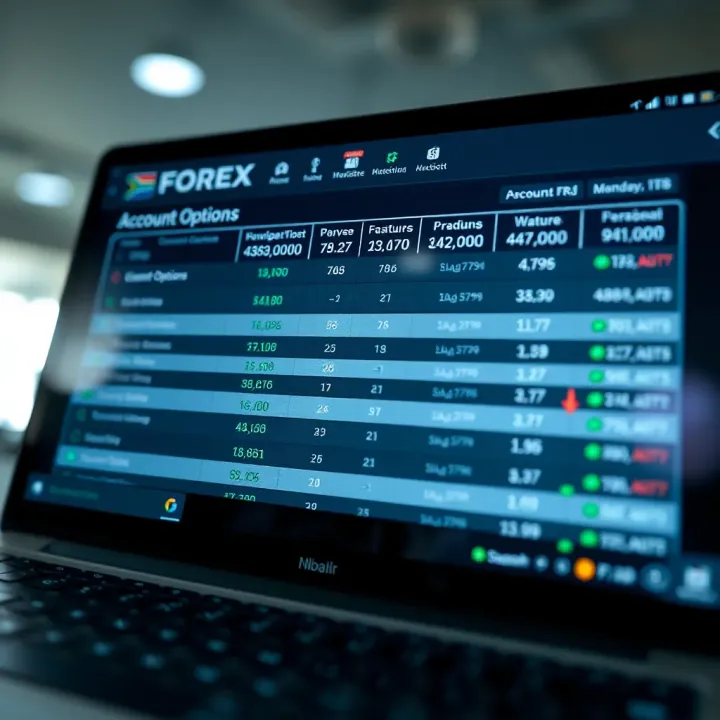
Moreover, FNB provides access to specialised forex products including foreign currency demand deposits, which function like savings accounts but in foreign denominations. Traders looking to hedge exposure or earn interest while waiting for a good trade find this feature useful.
Both Nedbank and Absa offer standard forex services that cater mostly to mid-size businesses and high-net-worth traders. Nedbank provides comprehensive forex risk management advice alongside transactional services, which is valuable for business owners negotiating import-export contracts.
Absa features multi-currency accounts with competitive exchange rates and corporate forex solutions. Absa’s online banking platform supports easy currency conversions, allowing traders to react quickly to market swings.
Personal forex accounts typically serve individual traders who deal mostly with small to medium sums. They offer straightforward access to popular currencies and basic transaction tools. Business forex accounts, on the other hand, come with additional features like higher transaction limits, tailored risk management support, and integration with business cash flow systems.
Choosing the right type depends on your trading volume and purpose. For example, a small-scale trader active in ZAR/USD might prefer a personal account to keep costs down, while an importer/exporter might opt for a business account to streamline payments and hedge currency risk.
Multi-currency accounts are a huge advantage when trading forex. They allow you to hold different currencies simultaneously, reducing the need to convert funds back and forth with every trade. This flexibility can save on conversion fees and protect against exchange rate fluctuations.
Some banks also offer debit cards linked directly to these forex accounts. This means you can spend foreign currency abroad (or online) without incurring additional foreign transaction fees. Having such a card turns your forex account into a handy, everyday financial tool beyond just trading.
Working with a bank that supports forex trading provides a safer route and access to practical banking services designed specifically for currency exchange and international transactions.
In summary, South Africa's big four banks—Standard Bank, FNB, Nedbank, and Absa—offer solid forex trading options with different strengths. Understanding their account types and features helps you pick a provider that fits your scale, style, and needs.
Opening and managing a forex trading account with a South African bank involves more than just filling out forms. It’s about meeting specific legal requirements and navigating practical steps that ensure your trading activities comply with local rules. This is essential for safeguarding your investments and making sure your money moves smoothly between trading platforms and your bank.
Banks in South Africa require traders to provide solid proof of identity and residence before opening a forex account. This means submitting a valid South African ID book or card alongside a recent utility bill or bank statement that clearly shows your name and address. These documents help banks establish your identity and confirm you’re a South African resident, which is a non-negotiable given local financial regulations.
The Regulation of Interception of Communications and Provision of Communication-Related Information Act (RICA) plays a key role here. Banks and financial institutions must comply with RICA steps to verify communication details linked to forex accounts. Practically, this means you often need to register your mobile phone number and provide proof that the connection is in your name. This additional layer of compliance is designed to protect against fraud and illegal trading activities.
When it comes to funding your forex account, South African banks generally offer multiple options to deposit and withdraw funds. You can use standard methods like electronic funds transfers (EFTs) from your cheque or savings accounts or make use of debit orders where available. This flexibility is quite handy, especially considering the convenience of online banking platforms like those offered by FNB and Standard Bank.
However, it’s crucial to be aware of limits and fees linked to these transactions. For example, some banks may impose daily deposit or withdrawal caps, especially for forex accounts, to manage exposure and regulatory compliance. Fees might also include charges for currency conversion or international transfers, which can add up if not monitored. Understanding these costs upfront lets you plan your trading finances better and avoid any nasty surprises.
Ensuring your forex account is properly set up and compliant with regulations can save you from delays or blocked transactions later on. It's well worth the effort to get your documentation and funding methods sorted before trading starts.
Together, these steps form the backbone of managing a forex trading account effectively within South Africa’s banking system. Paying attention to documentation, RICA compliance, and fund management helps you operate smoothly while staying within legal boundaries.
Understanding the differences between trading forex through banks versus dedicated forex brokers is essential for traders in South Africa. It’s not just about access to forex markets; it’s about weighing security, costs, available currency pairs, and tools. This comparison helps traders decide where they might get the best value and practical support based on their unique needs.
Banks in South Africa operate under strict regulatory oversight, primarily from the Financial Sector Conduct Authority (FSCA) and the South African Reserve Bank (SARB). This means when you trade forex through a bank, your funds are generally safer, and the services comply fully with local laws. For example, a trader using Standard Bank’s forex services benefits from the bank’s ability to protect client accounts under the banking deposit framework. It’s reassuring for investors wanting peace of mind that their capital is monitored closely.
Shame, not all forex platforms offer this level of security. Plus, banks adhere strictly to anti-money laundering rules and RICA. This compliance means, while the bureaucracy might be cumbersome, your transactions are transparent and legal—limiting the chance of fraud.
Another useful perk with banks is that your forex trading account often links neatly to other banking products. For instance, you can manage your forex trades alongside your cheque account or investment portfolio. Nedbank customers, for example, can leverage their banking app to transfer funds into their forex trading accounts without fuss.
This integration makes managing your finances smoother — no need to juggle multiple platforms or manually transfer funds across providers. It’s quite handy, especially if you’re running a business and want your currency exchanges to reflect immediately in your operational accounts.
Dedicated forex brokers often offer tighter spreads and lower fees compared to banks. This can make a significant difference if you trade frequently or in large volumes. Take, for example, a trader using a dedicated platform like IG or Plus500: the cost of entering and exiting trades tends to be lower thanks to more focused forex infrastructure.
Banks sometimes add premium fees or slightly wider spreads, reflecting their overheads and conservative risk models. So while you might accept slightly lower security, the saving on fees and better trade execution appeals to more active or professional forex traders.
Specialist forex brokers typically give you access to a wider selection of currency pairs — including exotic options that banks normally don’t offer. Plus, they provide advanced charting tools, technical indicators, and automated trading options, all designed for more sophisticated trading strategies.
For example, a savvy trader using a broker like FOREX.com can implement algorithmic trading or access social trading features not commonly found in bank platforms. This technological edge and currency variety often attract traders who want to exploit market moves quickly and with precision.
If you trade more than just the common currency pairs and want access to the latest tools, specialist brokers usually edge out banks — but you lose some of the regulatory comfort banks provide.
Ultimately, your choice depends on your trading style, appetite for risk, and the services you need. Banks offer safety and integration; brokers deliver cost efficiency and choice. Understanding this will help you align your forex strategy with the right provider.
While some South African banks offer forex trading services, many traders look beyond traditional banks for alternatives that fit their trading style and needs better. These options often provide more flexibility, a wider range of currency pairs, and advanced tools catered specifically for forex trading.
South African traders have access to various international forex brokers regulated either locally by the Financial Sector Conduct Authority (FSCA) or by respected foreign authorities like the UK’s FCA or Australia’s ASIC. Platforms such as IG, AvaTrade, and XM are examples often chosen due to their strong compliance and transparent operational standards. This regulation protects traders against unfair practices, giving them some peace of mind when dealing with sizeable sums.
Many brokers accept South African clients without requiring a foreign address, and they provide support in rand accounts or allow easy deposit via local methods. This means traders aren’t limited to banks’ forex services; they can tap into global liquidity and benefit from competitive spreads.
When evaluating brokers, look at the variety of currency pairs offered, including exotic ones that banks might not list. Also, check the platform’s order execution speed, leverage options (keeping FSCA regulations in mind), and whether it offers tools like charting, technical indicators, or automated trading.
Good customer service and ease of use are essential too. South African traders should confirm if the broker supports deposits and withdrawals through familiar methods like EFT or instant EFT, making it easier to manage funds. Additionally, some traders might require mobile trading apps compatible with local networks for trading on the move.
Many forex brokers accept e-wallets such as Skrill, Neteller, and PayPal, which help South African traders deposit and withdraw money quickly without directly involving their bank accounts. E-wallets act as an intermediary, adding a layer of separation and sometimes faster transaction times compared to traditional banking.
Payment gateways like PayFast, popular locally, may also be accepted on some platforms, making it more convenient for South Africans to fund accounts without dealing with forex bank charges or restrictions. This is especially handy during periods of loadshedding or if your bank limits international transfers.
While e-wallets and payment gateways offer convenience, traders should watch out for fees associated with deposits and withdrawals as these can add up. Also, ensure the forex broker you use has a good reputation for timely payments and is transparent about any extra charges.
Security is key. Always confirm that payment methods are encrypted and the broker uses safer protocols to protect sensitive financial data. Using a widely accepted e-wallet with a solid track record reduces risks but double-check with the platform’s terms about fraud protection or dispute resolution.
Alternative forex trading options give South African traders greater choice and better tools than many traditional banks, but it’s critical to prioritise regulation, security, and cost when exploring these platforms.
Learn the fundamentals of forex trading 📈. Get practical tips on strategies, risk management, and market factors tailored for South African traders 🇿🇦.
Explore how to start free forex trading in South Africa 🇿🇦 with top no-cost platforms, legal tips, essential tools, and risk-smart strategies to grow your skills.
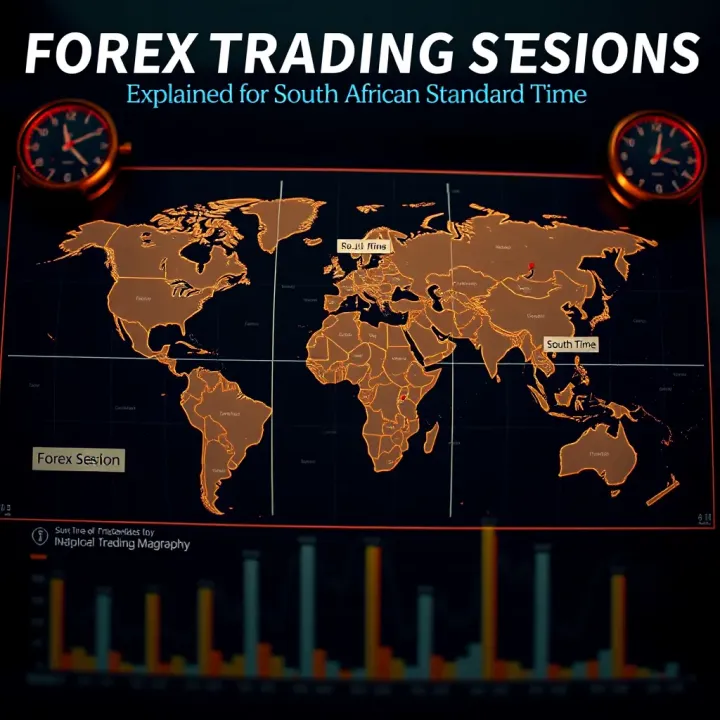
🌍 Learn how global forex trading sessions align with South African time and how to tailor your strategy for better trades during each session. 💹

Discover top forex trading seminars across South Africa 🇿🇦! Learn key skills from trusted experts, choose the right format, and boost your trading game 📈.
Based on 15 reviews