

Effective Forex Trading Techniques for Consistent Success
Boost your forex trading success with practical techniques, smart risk management, and solid analysis. Perfect for traders in South Africa 🇿🇦💹
Edited By
Liam Gallagher
Forex trading is no walk in the park. If you're in South Africa or anywhere else, getting to grips with the right tools can make the difference between hitting your financial goals or stumbling around in the dark. From beginners trying to avoid rookie mistakes to seasoned traders sharpening their edge, having a solid set of resources is a must.
This article breaks down the essential tools that traders rely on to read the market, manage risks, and make better decisions. We'll cover everything from charting software and economic calendars to the trading platforms that bring it all together. If you're looking to trade smarter—not harder—then stick around.
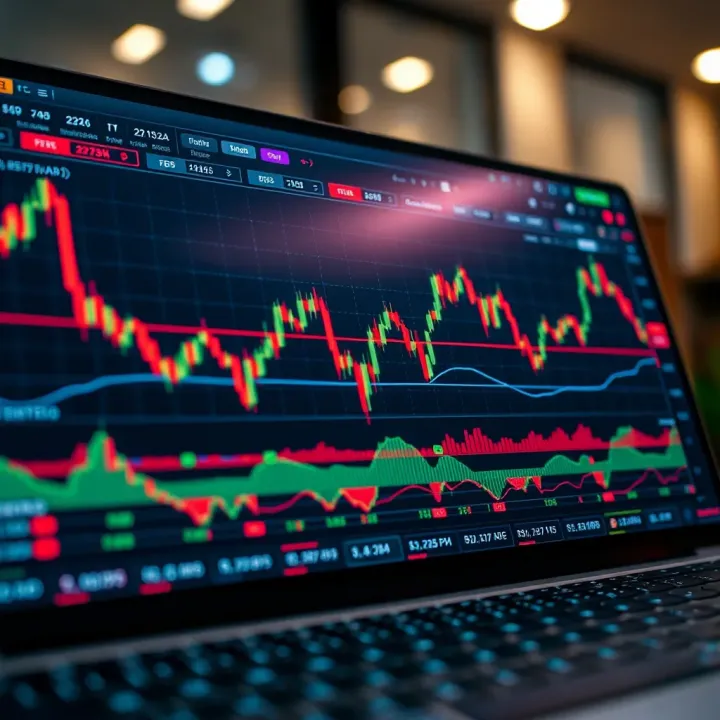
In trading, it's not just about having the right information, but knowing how to use the right tools at the right moment.
We'll also keep things practical with examples relevant to South African traders, highlighting software and platforms commonly used locally as well as worldwide, so you’re equipped to handle the market’s ups and downs confidently.
When diving into forex trading, the first thing you need to wrap your head around is why those tools matter. Trading currencies isn’t just about guessing which way the market will move; you need the right aids to help you read signals from the chaos. The tools available serve to break down the noise, highlight opportunities, and protect you from slipping on pitfalls.
Good tools act like a trader’s best friend. Imagine going into a hawker market blindfolded—you’d stumble over stalls and miss the deals, right? The forex market moves fast, and without precise tools, you’re flying blind. Using the wrong software or neglecting risk management leads to costly mistakes even if you have a solid strategy.
For instance, not having access to an up-to-date economic calendar might mean missing important events like South Africa’s Reserve Bank interest rate decisions or U.S. Non-Farm Payroll reports, which can swing market prices dramatically. Tools ensure you’re not just reacting but anticipating.
It’s a mixed bag out there, with a variety of tools catering to different trader needs:
Charting Software: Platforms such as MetaTrader and TradingView let you visually track price movements and identify market trends.
Technical Indicators: These include moving averages and Bollinger Bands, which help quantify market momentum and volatility.
Fundamental Analysis Tools: Economic calendars and news feeds give the latest updates on financial events that affect currency values.
Risk Management Tools: Stop loss and take profit orders protect your investments from major swings.
Automated Trading Software: Expert advisors can execute trades based on pre-set rules without your intervention.
Each tool has its role. For example, day traders might rely heavily on charting tools and technical indicators to make snap decisions, while long-term investors may focus more on fundamental analysis and risk controls.
Without the right toolkit, trading forex becomes a guessing game where luck dictates success more than skill.
Understanding and choosing the appropriate tools helps you see clearer, trade smarter, and keep your hard-earned money safe in the volatile forex markets.
When dipping your toes into forex trading, charting software and technical analysis tools are like your compass and map. They help break down complex market movements into more understandable visuals and patterns. Without these, traders are pretty much sailing blind, especially in a fast-moving market like forex where every second counts.
Charting tools serve to sketch the price action on a neat timeline, showing highs, lows, open and close prices through various chart types — like candlesticks or line graphs. By tracking these charts, a trader can catch onto market trends early: whether the currency pair is on an upward swing, downward slide, or just bouncing sideways.
For instance, spotting a series of higher highs and higher lows might signal a bullish trend, encouraging the trader to go long. Without these visual cues, you’d be guessing chances rather than planning moves. Plus, charts help spot support and resistance levels, those price points where the market historically pauses or reverses, making them essential for entry and exit decisions.
MetaTrader is arguably the workhorse in the forex trading scene. It’s widely favored because of its straightforward interface combined with powerful features. Most brokers in South Africa offer MetaTrader 4 or MetaTrader 5, providing excellent real-time charts and a vast library of technical indicators.
Aside from charts, MetaTrader supports Expert Advisors (EAs) for automated trading, letting you program strategies to trade on your behalf. It’s a practical choice for newcomers and experienced traders alike due to its balance of usability and depth.
TradingView stands out for its sleek interface and strong community features. Unlike MetaTrader, it’s a web-based platform, meaning no bulky software install is needed. This makes it excellent for quick access and chart sharing.
Traders like TradingView for its vast range of drawing tools and social insights — you can see ideas shared by others, which adds a layer of learning and idea generation. Plus, it connects across devices smoothly, allowing you to check charts and updates wherever you are.
cTrader caters to those who want a bit more finesse in execution speed and interface customisation. With features like Level II pricing and advanced order types, it suits traders who prioritize precision and control.
The platform also supports algorithmic trading, giving you the ability to create or import custom trading bots. Its clean layout and accessible tools make it a contender for those looking for an edge beyond the usual platforms.
Moving averages smooth out price data to create a single flowing line, reducing the clutter on charts and highlighting the trend direction. They’re simple yet effective in identifying support/resistance and confirming trend changes.
For example, the 50-day and 200-day moving averages are closely watched in forex. A cross of the 50-day over the 200-day is often seen as a bullish signal, popularly called a "golden cross".
RSI is a momentum oscillator that measures the speed and change of price movements on a scale of 0 to 100. It helps traders spot potential reversal points by highlighting overbought (above 70) or oversold (below 30) conditions.
Using RSI can prevent jumping into a trade when the currency is stretched too far in one direction, giving a heads-up that a price correction might be lurking.
Bollinger Bands consist of a moving average with two bands set above and below it, representing volatility levels. When the bands contract, it signals lower volatility and possible upcoming breakout; when they expand, it indicates higher market activity.
Traders use Bollinger Bands to gauge whether prices are high or low on a relative basis. For example, price touching the upper band might hint a currency pair is overbought, while hugging the lower band could suggest it’s oversold.
In short, combining charting platforms with technical indicators transforms raw price data into actionable insights, essential for anyone serious about following market trends and sharpening their trading decisions.
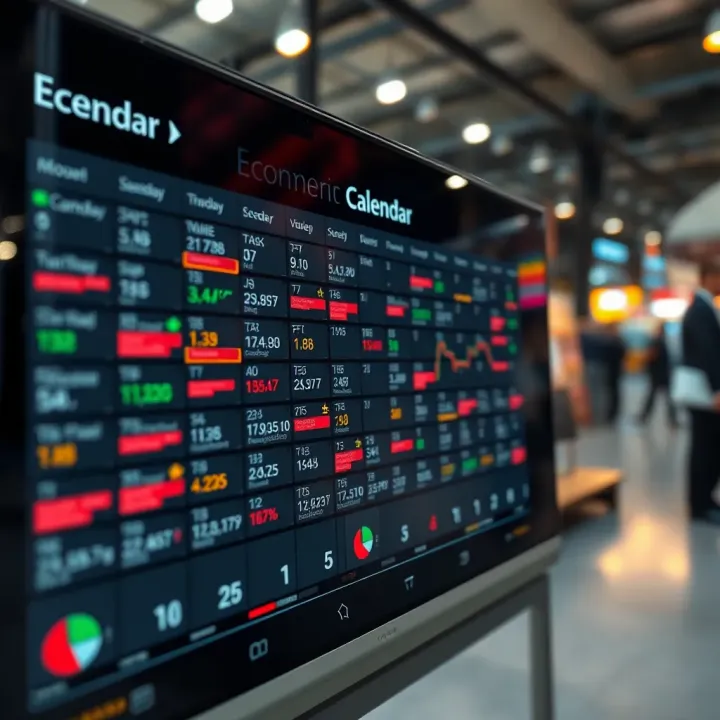
Fundamental analysis tools play a key role for forex traders trying to understand the big picture behind currency price moves. Unlike technical tools that focus on charts and patterns, these tools dig into economic data, policy decisions, and global news that sway market sentiment. For instance, knowing when a South African Reserve Bank decision is due can give traders a heads up on possible volatility. Using these tools helps traders make informed decisions, avoiding guesswork and reacting too late to market shifts.
Economic calendars are like a trader’s itinerary of crucial market moments. They list upcoming data releases, like inflation figures, GDP reports, and employment numbers. Paying attention to these dates allows traders to prepare for potential spikes in volatility. For example, if South Africa’s inflation rate is expected to rise, currency traders might anticipate the rand to weaken or strengthen depending on the context. Economic calendars often include timings, forecasts, and previous results, giving traders a snapshot that aids in risk planning.
To track events effectively, set alerts for high-impact releases in your preferred economic calendar app or platform. The more familiar you are with the schedule, the better you can avoid being caught off guard by sudden market moves.
When it comes to forex news, reliability is everything. Traders rely on reputable news sources that provide timely, accurate information without sensationalism. Good examples include Bloomberg, Reuters, and the Financial Times—these outlets have a solid track record for delivering market-relevant updates.
Beyond general news, it’s wise to follow regional sources familiar with South African and African economic developments, such as Business Day or Fin24. These can offer more context around local economic conditions influencing the rand. Participating in specialized forex forums or subscribing to expert newsletters can also keep you informed with commentary that helps break down complex news.
Staying on top of trusted news keeps you ahead, not scrambling to react. It’s a strategic advantage.
Central bank announcements stand out as some of the most influential events in forex. When the South African Reserve Bank or the US Federal Reserve releases interest rate decisions or policy outlooks, it can send major ripples through the currency markets.
Traders watch these announcements to gauge the health of an economy and foresee future moves. For example, a rate hike by the Fed can strengthen the dollar, prompting traders to adjust their positions accordingly. In contrast, a dovish tone might signal looser policy and weaker currency.
Successful traders don’t just wait for the news, they analyze the tone and implications quickly. This can involve reading the full statements, parsing the Q&A sessions, or comparing the current guidance to previous messages. Automated tools connected to forex platforms often flag these events, allowing you to set up trades that automatically adjust based on the news.
Bottom line: Knowing when and how to react to central bank news is essential to managing risks and capitalising on opportunities in forex trading.
Choosing the right trading platform and broker lays the groundwork for whether a forex trader succeeds or struggles. These tools act as your trading workspace and gateway to the global markets. For traders in South Africa, the decision involves weighing the platform’s performance, usability, and security alongside a broker’s credibility, customer service, and costs. A well-matched platform and broker combo can smooth your trading experience while helping avoid costly mistakes.
In forex trading, speed actually matters a lot. Execution speed refers to how fast your orders get processed on the platform. A few milliseconds' delay might sound trivial, but in fast-moving markets, that can mean the difference between locking in a profit and catching a loss. Slippage often happens due to slow execution, where the trade executes at a price different from what you expected. Platforms like MetaTrader 5 and cTrader are known for fast, reliable order processing, which can help you seize opportunities right when they appear.
Nobody wants to wrestle with confusing menus or lagging charts while trying to catch market moves. A clean, intuitive user interface lets you focus on the trade, not the tool. Look out for platforms offering customizable charts, multiple order types, and integrated news feeds. For example, TradingView scores points for ease of use and visually rich charting capabilities. Features like one-click trading, alerts, and built-in technical analysis tools can shave precious time off your decision-making.
Gone are the days when traders had to be chained to a desk. A mobile-compatible platform keeps you connected with the markets no matter where you are. Look for apps that mirror desktop versions closely and don’t skimp on essential features like order execution, monitoring, and technical indicators. Saxo Bank and IG, popular among South African traders, offer robust mobile apps that keep trading flexible without sacrificing functionality.
Trust is everything when handing over money to a broker. South African traders should prioritize brokers regulated by the Financial Sector Conduct Authority (FSCA). This ensures the broker meets local standards for fairness and security. International regulation like the UK's Financial Conduct Authority (FCA) or Australia’s ASIC can also add credibility. Avoid putting your funds into unregulated brokers—a rule worth sticking to, no matter how tempting the offer.
Forex brokers typically offer various account types that differ in minimum deposit, spreads, and leverage. Spreads represent the cost of trading, so lower spreads mean less expense per trade. For instance, some brokers offer raw spreads as low as 0.1 pips, while others might have wider spreads around 1 pip. South African traders should also look for accounts that suit their budget and style—whether beginner-friendly micro accounts or professional ECN types that give direct market access. Understanding these options helps you manage costs and risk better.
Good customer support is often overlooked until you need it urgently. Responsive and knowledgeable support can resolve technical glitches or clarify account questions quickly, saving time and reducing stress. Check if the broker offers multiple support channels like phone, chat, or email, and whether support is available during South African trading hours. Some brokers provide dedicated account managers who can give personalised assistance, which is a big plus for serious traders.
When picking platforms and brokers, balance technical capabilities with reliability and service. Even the best tools won’t help if your broker isn’t trustworthy or the platform freezes at critical moments.
With these considerations in mind, South African traders can find platforms like MetaTrader 4/5, cTrader, or TradingView paired with FSCA-licensed brokers such as HotForex, IG, or Plus500. This combo can deliver a smoother, faster, and safer trading experience, supporting more informed decisions and better control over your forex trades.
Risk management stands as the backbone of any successful Forex trading strategy. Without tools to manage losses and protect profits, even the best market calls can quickly turn into costly mistakes. In the fast-moving forex markets, prices can shift rapidly, often spiking due to surprise news or economic releases. That’s why having the right risk management tools is essential—not just to survive, but to thrive.
Effective risk management tools help traders control how much capital they are willing to lose on each trade, safeguard gains, and dodge the mental and financial toll of unpredictable moves. For example, professional traders often say it's better to be safely in the game with small controlled losses than risking a big chunk of their account on a single trade. South African traders face the same market dynamics, so these tools are just as crucial here.
Stop loss and take profit orders are the simplest yet most powerful risk management tools in the trader’s arsenal. A stop loss automatically closes your position once the price hits a level where your loss would be unacceptable. On the flip side, a take profit order locks in gains by closing the trade as soon as a set price target is hit.
For example, imagine you buy EUR/ZAR at 18.50, setting a stop loss at 18.20 and a take profit at 18.80. This way, even if the market suddenly crashes due to political instability, your loss is limited to 30 cents per unit, preventing your account from taking a heavy blow. With the take profit set, you also avoid the trap of greed, where traders hold too long hoping for more gains and end up losing everything.
Smart traders combine both with realistic market assessments. Setting stop losses too tight might make you exit good trades prematurely, while very wide stops increase risk. Tools like the Average True Range (ATR) indicator can help determine appropriate stop loss distances based on recent volatility.
Knowing how much to size each trade is just as vital as where to place stops. Position sizing calculators take into account your account balance, risk tolerance, and stop loss distance to recommend the right amount of currency units to trade.
For instance, if you decide to risk 1% of a $10,000 trading account on a trade and your stop loss is 100 pips, the calculator helps figure out the number of lots you can safely trade without exceeding that loss percentage. This keeps your risk consistent regardless of how wide or narrow a stop is.
In addition, risk assessment tools like Value-at-Risk (VaR) models or volatility-based metrics can provide a broader picture of your exposure across multiple trades or your overall portfolio. This is a great way to avoid taking on too much risk when the market conditions get dicey.
Effective risk management isn’t about avoiding losses entirely—it’s about controlling them so you can keep trading. Using stop losses, take profits, and position sizing ensures that no single trade can wipe you out.
Properly implementing these risk management tools not only protects your capital but fosters the discipline and consistency needed to succeed in forex trading over the long haul. Keeping these tools in your toolkit lets you approach the market with more confidence and less stress, two things every trader needs.
Automated trading tools and expert advisors (EAs) have carved out a significant niche in forex trading, especially for those who want to marry efficiency with precision. These tools take trading strategies and turn them into computer programs that execute trades automatically, cutting out the delays and emotional pitfalls of manual trading. For traders in South Africa and elsewhere, these systems offer a chance to stay active in the market without needing to stare at the screen all day.
Automated trading can be a real double-edged sword. On the upside, it offers consistency: trades are executed at the right price, at the right time, without hesitation or second-guessing. This is a big plus during volatile market conditions where split-second decisions matter. The system also tirelessly monitors multiple currency pairs and timeframes simultaneously—something no human can realistically do.
However, there are downsides. Automated systems rely heavily on their programmed logic and data inputs; if the market behaves unexpectedly, the strategy might falter quickly. Technical glitches or connectivity issues can also cause missed opportunities or unintended losses. Plus, traders need to keep an eye on their automated systems, or else they risk running blind on trades that might require manual intervention.
Relying solely on automation can lead to complacency; it's vital to keep checking that the strategy still fits the current market climate.
Among the many EAs available, some have stood out thanks to their efficiency and popularity. For instance, the Forex Robotron is known for its straightforward approach to scalping, snagging small profits frequently across major currency pairs. It uses a pattern recognition algorithm to decide when to enter and exit trades, minimizing risk by limiting exposure.
Another widely used EA is the GPS Forex Robot, prized for its ability to tightly manage stop losses and take profits. It works best in trending markets and is designed to avoid overtrading by skipping questionable setups. Many South African traders find it useful thanks to its adaptability across different brokers.
Then there’s WallStreet Forex Robot, which uses a hedging strategy to reduce drawdowns—basically placing counter-trades to offset potential losses if the market turns unexpectedly.
These EAs typically operate within platforms like MetaTrader 4 or MetaTrader 5, where traders load the EA script, configure settings such as risk tolerance and lot sizes, and let it run under monitored conditions.
Automated trading tools and expert advisors can add a lot to a forex trader’s toolkit when used wisely. They help reduce emotional strain and free up time, but they demand ongoing supervision and a solid understanding of the underlying trading strategy to avoid unwanted pitfalls.
Trading forex no longer means being chained to a desk. Mobile apps have become a game changer, allowing traders to spot opportunities, manage positions, and react to market changes from anywhere. For South African traders, this flexibility is especially valuable — whether you're on a long commute in Johannesburg or grabbing a quick trade in Cape Town, you can keep your finger on the pulse.
These apps bring a lot more than just convenience. Modern trading apps offer real-time quotes, advanced charting, news updates, and even order execution on the fly. Imagine seeing an unexpected central bank announcement and being able to respond instantly — that’s the power these tools put in your palm.
When selecting a mobile trading app, a few features really stand out as essentials. First off, real-time data is non-negotiable; delayed prices can cost you dearly in fast-moving forex markets. Also, check the app's user interface — it should be clean, intuitive, and easy to navigate even on a smaller screen.
Security comes next — you want two-factor authentication or biometric login options to keep your account safe. Don't overlook customizable alerts either; these can notify you when your chosen currency pair hits a certain price or when economic news breaks.
Charts and technical indicators on mobile should be robust but not clunky. MetaTrader 4 and 5 apps, for example, offer full-fledged charting tools right on your phone, with indicators like Moving Averages and RSI ready at hand.
Lastly, consider the app's order execution speed and reliability. Slow or buggy apps can mean missed trades or wrong entries.
For traders in South Africa, a few apps consistently rank high for reliability and features. MetaTrader 4 (MT4) is a classic choice and widely supported by local brokers. It’s free, packed with technical tools, and supports Expert Advisors for automated trading, too.
Another solid option is TradingView, which offers excellent mobile charting with many indicators and a large community sharing trading ideas. While TradingView is often used for analysis, it also now allows trade execution through partnered brokers.
IG Trading app is worth mentioning, especially for those who want an all-in-one platform backed by a strong regulated broker. It has an easy-to-use app with fast execution, educational resources, and daily market analysis.
Lastly, FXTM Trader caters well to South African traders, supporting deposits and withdrawals in ZAR and providing localized customer support — a practical advantage.
Having the right forex trading app is like having a mini trading desk right in your pocket. It lets you stay connected with the markets no matter where you are, so you’re less likely to miss out on key trading opportunities.
Tracking your trading performance might seem like afterthought to some, but it's actually a big deal if you're serious about improving your forex game. Analytics tools help you spot patterns, figure out what’s working, and where you might be leaking money.
Without a clear record of your trades and their outcomes, it’s like trying to fix a car engine with a blindfold on. These tools break down your historical data into digestible insights, helping you fine-tune your strategies and ultimately make more informed decisions.
Keeping a trade journal is one of the simplest yet most effective ways to boost your trading skills. It doesn’t have to be fancy—just jot down the basics: entry and exit points, why you took the trade, how you managed risk, and the results.
For instance, you might notice that you do better trading EUR/ZAR around economic reports but struggle with GBP/ZAR during volatile markets. Writing it down helps cement lessons, prevents you from repeating mistakes, and builds discipline.
Many traders swear by it because it forces you to slow down and think through your decisions. Over time, this habit uncovers subtle biases and emotional triggers that could be undermining your success.
While manual journaling is great, software tools take performance tracking to the next level. Programs like Edgewonk, TraderVue, or even custom Excel sheets can analyze hundreds of trades quickly, providing visual stats like win rate, average profit/loss, and risk-reward ratios.
These tools can highlight your most profitable strategies and pinpoint periods of drawdown — that painful phase when losses pile up. For example, if you notice your risk-reward ratio consistently sits below 1:1, you might need to adjust your trade management to cut losses faster or let winners run a bit more.
Using software helps remove guesswork. Instead of relying on gut feeling, you get cold hard data that shows what’s paying off and what isn’t. This is especially helpful for South African traders managing multiple currency pairs and strategies, as consolidating all this info manually can be overwhelming.
Keep in mind: Even the best analytics tools won’t do the hard work for you. Regularly reviewing and acting on the data is what makes the difference.
In short, tracking your trades—whether through a handwritten journal or advanced software—creates a feedback loop that’s critical for ongoing growth in forex trading. Without it, you’re just throwing darts in the dark, hoping to hit the bullseye by luck rather than skill.
Boost your forex trading success with practical techniques, smart risk management, and solid analysis. Perfect for traders in South Africa 🇿🇦💹
📊 Understand margin in forex trading: how much money you need to open and maintain positions, manage risks, and spot opportunities effectively.
Explore forex trading in Yokohama 🇯🇵 with insights on local markets, regulations, top brokers, risk tips, and analysis methods for smarter trades 📈💡
Boost your trading focus and motivation with top forex trading wallpapers 🖥️. Find tips on customization and device-friendly designs to enhance your workspace.
Based on 9 reviews